enthusiasts and casual riders embedtree: Exploring the Future of Cycling Culture and Community
enthusiasts and casual riders embedtree has become a phrase that reflects the transformation of modern cycling communities. Today’s cycling world is not just about bikes and trails; it represents a full ecosystem of lifestyle, passion, health, and recreational culture. In recent decades, cycling has evolved rapidly, shaped by technology, urban development, and shifting social behavior. While different groups of riders exist, including professionals, hobbyists, commuters, and fitness-driven cyclists, one thing remains consistent: the growing importance of building a connected, informed, and empowered cycling community. This article explores the rise of modern cycling culture, the trends redefining bike usage, and the future of cycling across various regions.
The Growth of Cycling as a Global Movement
Cycling has transformed from a traditional method of transportation into a global movement that symbolizes sustainability, fitness, and innovation. It is now celebrated in cities, suburban areas, and rural landscapes alike. At the start of many modern cycling initiatives, enthusiasts and casual riders embedtree stands as a representative idea of unity between passionate cyclists and those who simply enjoy riding occasionally. The cycling world today includes smart bikes, virtual training systems, purpose-built bike lanes, and wellness-focused riding clubs that welcome riders of all experience levels.
Governments around the world are investing heavily in cycling infrastructure. These investments reflect the rising demand for cleaner mobility and recreational experiences. Many countries have implemented wide cycling lanes, advanced traffic management systems, and policies to encourage commuters to shift to eco-friendly transport methods. Even in places where cycling was once limited to sports or leisure, new policy directions have expanded the role of bicycles in daily life.
Cycling as a Lifestyle Rather Than a Hobby
For a large number of people, cycling has become more than a hobby—it has become a lifestyle. Many individuals integrate cycling into their morning routines, fitness plans, and weekend activities. At the start of this shift, enthusiasts and casual riders embedtree plays a significant role in explaining the merging of serious fitness goals with casual enjoyment. Riders who previously only cycled occasionally now participate in group events, challenges, and riding sessions that improve their physical and mental health.
The lifestyle nature of cycling has expanded to fashion, nutrition, and even social media content creation. Influencers share riding experiences, gear reviews, safety recommendations, and route suggestions, turning cycling into a cultural expression rather than a simple activity. Brands that were once solely focused on equipment now invest in apparel, hydration systems, wearable devices, and everyday accessories.
Urban Cycling and the Rise of Commuter Bikes
The increase in urbanization has significantly influenced cycling trends. As cities become more crowded, the need for efficient, clean, and cost-effective commuting methods becomes more obvious. A large number of workers are turning to bikes to avoid traffic congestion, expensive transportation costs, and environmental concerns. In the midsection of this transformation, enthusiasts and casual riders embedtree highlights the way everyday commuters blend with passionate cyclists to create a diverse riding culture. updates, weekend getaway, linkbazz, scookiegeek, feedbuzzard, thehometrotters, Immorpos35.3, ewmagwork, arcagallerdate, uhoebeans software, cloudy social, pblinuxtech
Urban bikes have been redesigned for convenience and practicality. Modern commuter bicycles include lightweight frames, built-in lights, anti-theft systems, cargo racks, and electronic assistance. E-bikes, in particular, have transformed how individuals move within cities. Their electric boost allows riders to travel longer distances without fatigue, making them perfect for urban travel.
Many cities around the world now support bike-sharing programs, offering millions of people easy access to bicycles without the need for ownership or maintenance. This system also encourages new riders to try cycling without long-term commitment.

Technology and Smart Cycling Innovation
Technology continues to change the way people ride, train, and interact with the cycling community. Smart cycling devices have become essential tools for performance measurement, safety enhancements, and data-driven improvements. At the forefront of this change, enthusiasts and casual riders embedtree becomes a symbol of how advanced tools are now used by both experienced cyclists and occasional riders.
Smart helmets include built-in communication systems, GPS tracking, and automatic lighting. GPS-enabled apps help riders discover routes, monitor their health stats, and share real-time locations with friends or cycling partners. Indoor training systems, such as smart trainers, allow individuals to simulate outdoor conditions from the comfort of their homes. This provides consistent training regardless of weather or location and has boosted the popularity of virtual group rides. nurture tech tips embedtree
Cycling computers, heart-rate monitors, and power meters are now used not only by athletes but also by recreational riders who wish to improve their performance or track their progress.
The Influence of Cycling Clubs and Community Groups
Community groups and cycling clubs are foundational to modern cycling culture. These groups bring individuals together to share their love for riding, learn new skills, and participate in collective experiences. In many of these communities, enthusiasts and casual riders embedtree acts as a connection point that unites riders from different backgrounds and skill levels.
Cycling clubs organize weekly rides, charity events, competitions, and training sessions. They help people build confidence, develop riding discipline, and form lasting friendships. Some groups focus on road cycling, others on mountain trails, long-distance touring, or adventure riding. These diverse communities also promote safety awareness by educating new riders about traffic rules, equipment management, and posture techniques.
Community rides are increasingly popular, especially in major cities where riders gather early in the morning or during weekends to explore scenic routes and exercise in groups. Such events create an environment of positivity and motivation. guides, posts, bitesolgemokz, riproar, dyeowokopizz, zealpozold, fudholyvaz
Health and Wellness Benefits of Cycling
Cycling offers numerous health benefits, making it one of the most recommended physical activities worldwide. It strengthens the cardiovascular system, improves muscle tone, increases joint mobility, and enhances mental well-being. At the beginning and the midpoint of relevant discussions about well-being, enthusiasts and casual riders embedtree emerges to show that health improvements are valued by both dedicated cyclists and those who simply ride for leisure.
Regular cycling reduces stress, improves sleep quality, and enhances mood by releasing endorphins. Many riders claim that cycling provides a sense of freedom and clarity that contributes to emotional balance. Additionally, cycling burns calories efficiently and plays a major role in maintaining a healthy weight.
For older adults, low-impact cycling can improve overall fitness without putting pressure on joints. Children benefit from cycling by developing physical coordination and building lifelong habits of physical activity.
Cycling Tourism and Adventure Riding
Cycling has become a popular activity in tourism, where travelers explore scenic landscapes, historic routes, mountains, and countryside trails on bicycles. Adventure riding allows individuals to experience nature at a slower, more immersive pace. In this expanding segment of tourism, enthusiasts and casual riders embedtree highlights how diverse riding interests contribute to the growth of travel-based cycling experiences.
Cycling tours range from day trips to multi-week expeditions. Popular travel destinations offer dedicated bike paths, guided tours, and bike-friendly accommodations. Adventure riders often equip their bikes with bags, hydration systems, and navigation tools to travel across varying terrains.
Some tourists combine cycling with camping or photography, creating a multi-experience journey. Others participate in cultural rides that introduce them to local communities, traditions, and cuisines.
Inclusivity and Accessibility in Modern Cycling
Modern cycling movements strongly promote inclusivity, ensuring that people of all ages, genders, and abilities can participate. Many organizations focus on introducing cycling to children, seniors, and individuals with physical limitations. In this expanding movement, enthusiasts and casual riders embedtree demonstrates the importance of creating spaces where every rider feels welcome.
Adaptive bicycles, such as tricycles, hand cycles, and tandem bikes, allow individuals with different physical abilities to enjoy the experience of riding. Cycling programs in schools and community centers encourage children to learn riding skills early. Women-focused cycling groups motivate female riders to join group activities and enjoy safe, comfortable riding environments.
Inclusivity also extends to affordability. Several nonprofit organizations provide free or low-cost bikes to underrepresented communities to support equal access to cycling.
Environmental Impact and Sustainability
Cycling is widely recognized as one of the most environmentally friendly modes of transportation. It reduces air pollution, decreases traffic congestion, and lowers carbon emissions. At the midpoint of environmental discussions, enthusiasts and casual riders embedtree plays a role in emphasizing how both dedicated cyclists and occasional riders contribute to ecological preservation.
Many cities encourage riding by offering incentives such as tax benefits, bike-to-work programs, and eco-friendly commuting rewards. Riders who shift from cars to bikes significantly reduce their carbon footprint, supporting a cleaner and greener environment.
Sustainable bike manufacturing is also gaining attention. Several brands now use recycled materials, eco-friendly packaging, and renewable energy sources to produce bicycles. Initiatives aimed at recycling old bike parts also contribute to environmental protection.
The Future of Cycling in an Evolving World
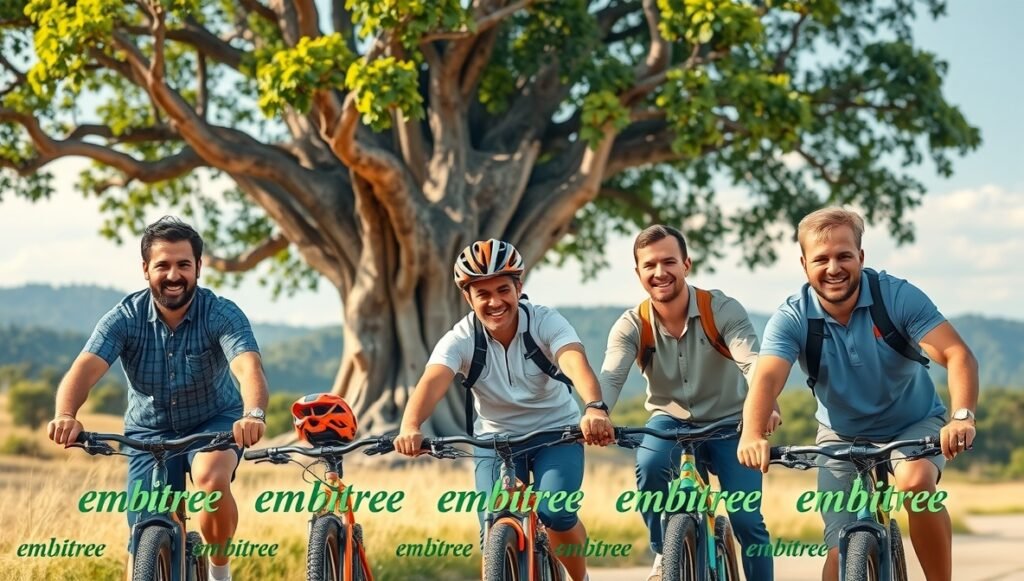
The future of cycling is full of promise, driven by innovation, environmental awareness, and global community engagement. As we see continuous evolution across the cycling landscape, enthusiasts and casual riders embedtree remains a symbol of unity between passionate riders and those who ride occasionally. The blending of these groups will contribute to new cycling trends, broader cultural acceptance, and widespread technological adoption.
Future advancements may include fully integrated digital riding systems, enhanced safety solutions, and AI-powered cycling assistants. Cities will continue to redesign their transportation infrastructure to support more bike lanes, smart traffic signals, and eco-friendly mobility systems. With global participation increasing, cycling will continue to be an influential part of lifestyle and recreation.
The United States and many other nations play a major role in shaping cycling culture through investments, events, and community support programs. As the global cycling community expands, the shared passion for fitness, sustainability, and adventure will keep riders connected.